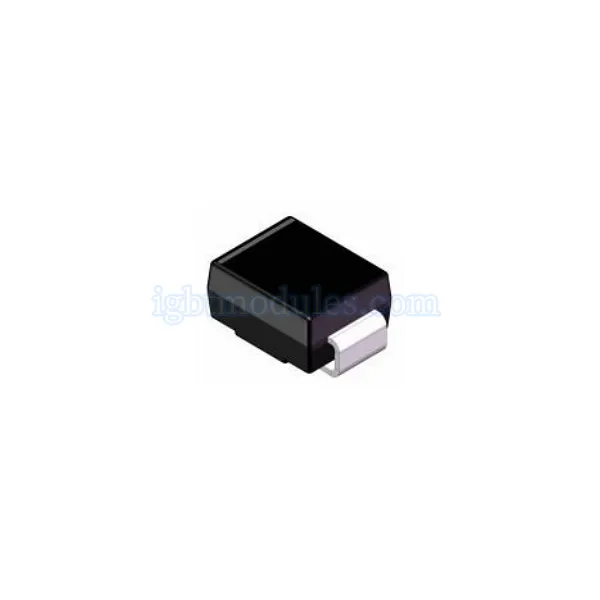
1. TVS Diode Technology Overview
BYD Microelectronics produces Transient Voltage Suppressor (TVS) diodes as part of its power semiconductor portfolio. TVS diodes protect sensitive circuits from voltage transients caused by lightning, ESD, switching noise, and load dumps.
Working Principle
• Avalanche breakdown for fast clamping; Bidirectional and unidirectional types; Sub-nanosecond response time; Low clamping voltage ratio; Repeated surge capability
Key Parameters
• Reverse standoff voltage VRWM; Breakdown voltage VBR; Clamping voltage VC; Peak pulse current IPP; Peak pulse power PPP
2. Protection Application Categories
BYD TVS diodes address different transient threats across various application environments.
Surge Protection
• AC line surge protection; Lightning induced transients; Power supply input protection; IEC 61000-4-5 compliance; High power TVS for surge
ESD Protection
• Interface port protection; USB and HDMI ports; Sensor signal lines; Communication bus protection; Low capacitance options for high-speed
| Protection Type | Threat Source | Typical Voltage | Power Rating | Response Time |
|---|---|---|---|---|
| Surge | Lightning, switching | hundreds to thousands V | 400W-1500W+ | Sub-us |
| ESD | Human body, handling | kV range | 200W-500W | Sub-ns |
| EFT | Fast transients | hundreds V | 300W-600W | Sub-ns |
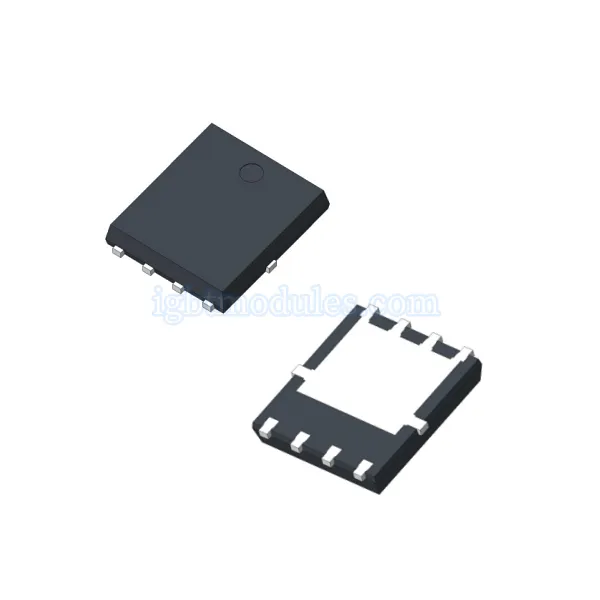
3. Automotive TVS Applications
Automotive circuits require specialized TVS protection for load dump, ISO 7637 transients, and ESD events common in vehicle environments.
Automotive Protection Needs
• Load dump protection for alternator; ISO 7637 pulse protection; Battery reverse polarity protection; CAN bus ESD protection; Sensor signal line protection
4. Package and Selection
BYD TVS diodes are available in various packages from compact surface mount to high-power through-hole options.
Package Options
• SOD-323 for compact designs; SMA and SMB for medium power; SMC for higher power; DO-214AA/AB/AC series; DFN packages for low profile
Selection Criteria
• Standoff voltage above operating voltage; Clamping voltage below device rating; Pulse power exceeding expected threat; Package thermal performance; Bidirectional vs unidirectional
FAQ
1:How do I select the right TVS diode standoff voltage?
Select a standoff voltage (VRWM) that is equal to or slightly higher than the normal operating voltage of the circuit being protected. The standoff voltage must be above the maximum continuous operating voltage to prevent unwanted conduction during normal operation.
2:What is the difference between surge and ESD TVS diodes?
Surge TVS diodes are designed for higher power events like lightning and switching transients (IEC 61000-4-5), with power ratings from 400W to 1500W+. ESD TVS diodes handle smaller, faster electrostatic discharge events (IEC 61000-4-2) with sub-nanosecond response and lower capacitance for high-speed interfaces.
3:Are BYD TVS diodes automotive qualified?
BYD offers automotive-grade TVS diodes qualified to AEC-Q101 standards, designed to handle automotive-specific transients including load dump and ISO 7637 pulses. These are suitable for CAN bus, LIN bus, and sensor protection in vehicle systems.