1. Power Components And Assemblies Technology Overview
Core characteristics and operating principles of power components and assemblies; Key performance parameters and ratings; Common package and configuration options; Technology generation and feature variations
2. Application Areas and Use Cases
Power Components And Assemblies find use in a diverse range of power electronic applications across multiple industries. Understanding these application contexts helps in selecting the right device characteristics for specific design requirements.
• Industrial motor drives and motion control systems; Power supply and UPS infrastructure; Renewable energy and grid-connected systems; Welding and industrial heating equipment; Traction and transportation applications
3. Design and Selection Considerations
Proper device selection requires careful consideration of electrical, thermal, and mechanical parameters. Matching device characteristics to application requirements is key to achieving reliable and cost-effective performance.
• Voltage and current rating selection with appropriate derating; Switching speed versus loss trade-off analysis; Thermal management and heat sink design; Gate drive and protection circuit requirements; Package and mounting considerations
4. Product Naming and Part Number Structure
Understanding the part number structure helps in identifying device specifications quickly and accurately. While naming conventions vary by manufacturer, certain patterns are common across the industry.
• Voltage class indicators in part numbers; Current rating designation methods; Package type and form factor codes; Series and generation identifiers; Optional feature and variant suffixes
5. Find the Right Solution for Your Application
Looking to increase power density and simplify your manufacturing process? Explore integrated power component and assembly solutions designed for reliable, high-performance power electronic systems.
6. Frequently Asked Questions
1:What is the difference between a power module and a power assembly?
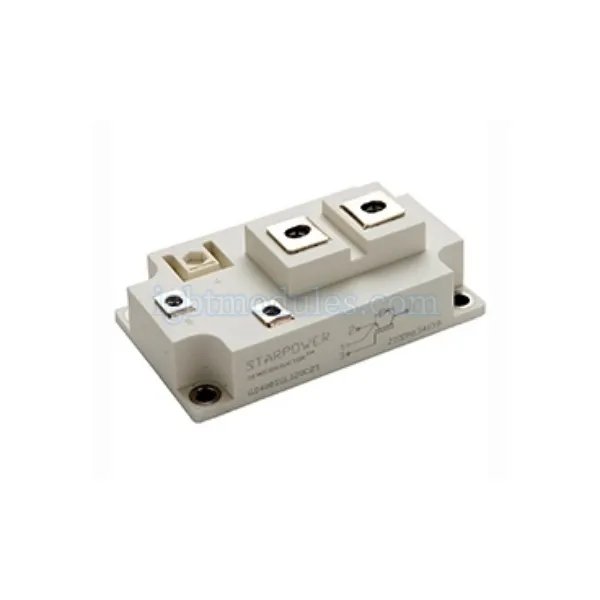
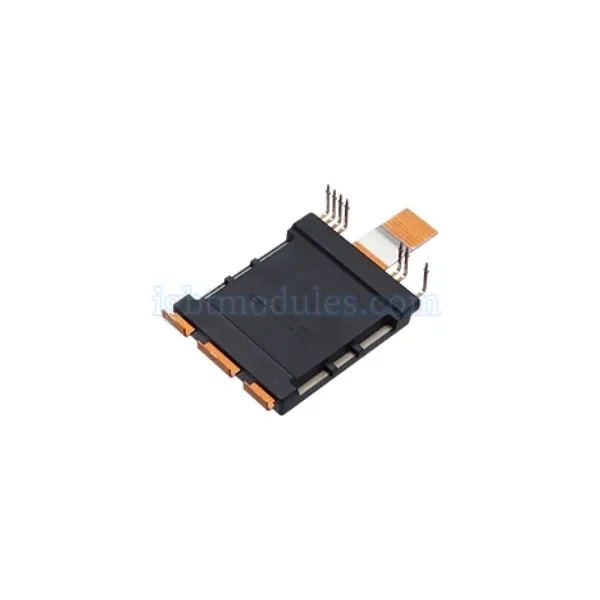
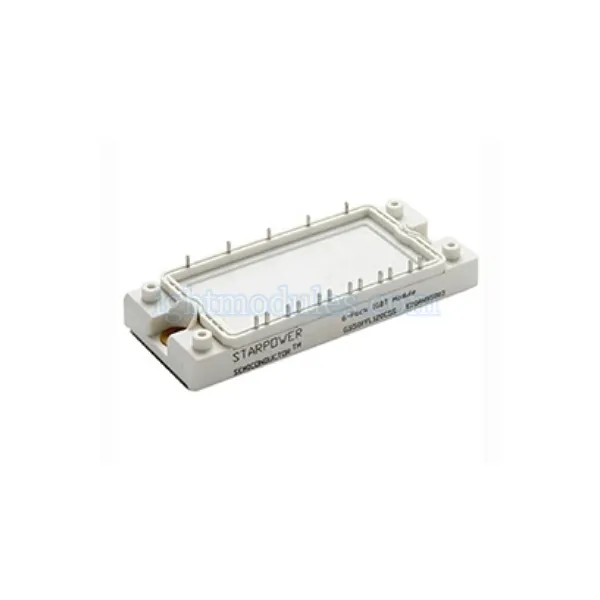
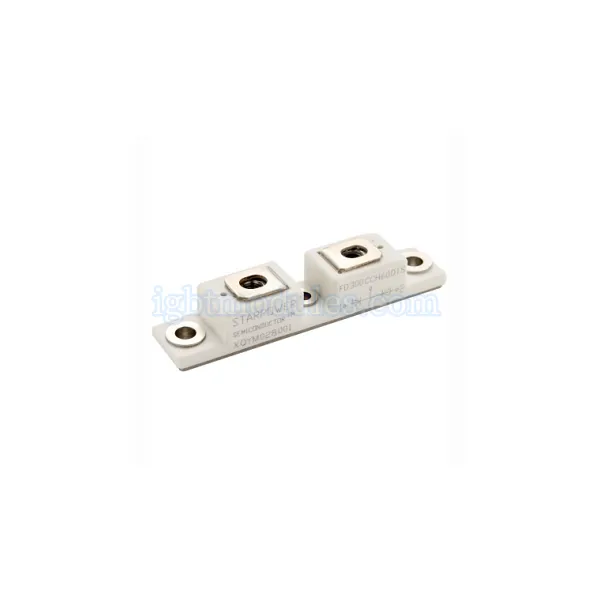
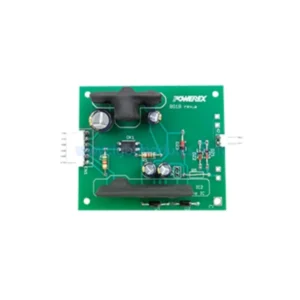
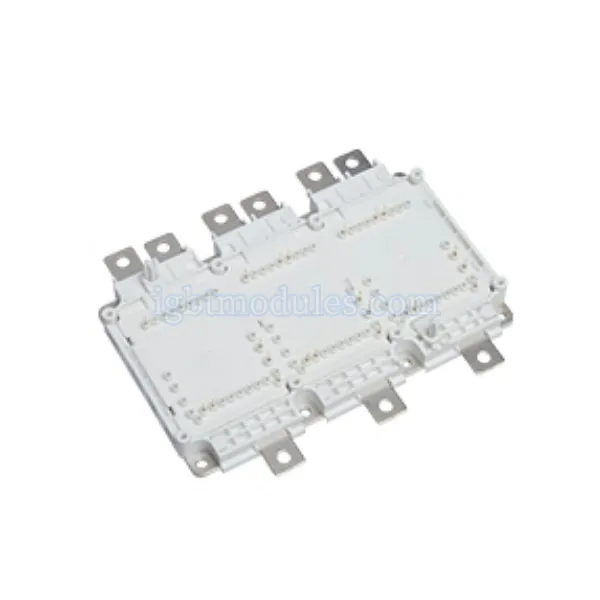
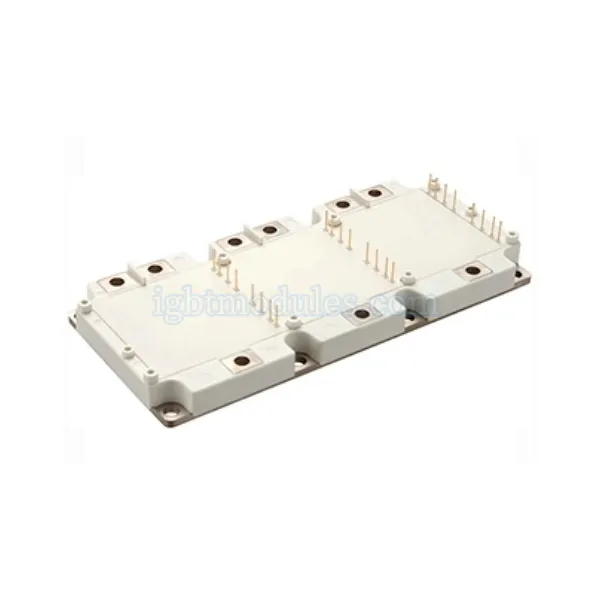
A power module typically refers to a standard packaged device with a defined footprint and specifications, such as an IGBT module or diode module. A power assembly or power component assembly is a higher-level integration that may include multiple modules, bus bars, capacitors, cooling structures, gate drives, and sensors pre-assembled into a single sub-system. Assemblies reduce system-level engineering effort and manufacturing complexity by delivering a more complete power stage.
2:When should I consider custom power assemblies?
Custom power assemblies are worth considering when standard modules cannot meet your form factor or performance requirements, when you need to reduce assembly time and improve manufacturing yield, when you require optimized thermal and electrical performance, when your production volumes are high enough to justify the engineering investment, or when you need to integrate multiple functions including power, sensing, control, and cooling into a single subsystem.
3:How do integrated power assemblies improve reliability?
Integrated assemblies improve reliability through factory-controlled assembly processes with consistent quality, optimized power loop design minimizing stray inductance, pre-validated thermal design, reduced number of interconnections and potential failure points, and standardized testing of the complete assembly before delivery. This is particularly valuable for high-voltage, high-current applications where field failures are costly and difficult to diagnose.