1. Understanding Part Number Structures
Device type prefix (IGBT, MOSFET, Diode, etc.); Voltage rating designation; Current rating specification; Package and configuration code; Performance grade or series identifier
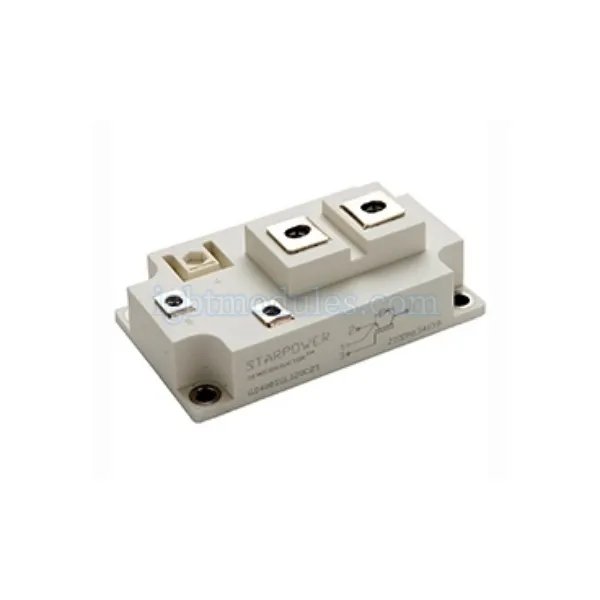
2. IGBT Module Naming
IGBT module part numbers typically follow a structured format indicating topology, voltage, current, and package.
Comparison Table
| Element | Example | Meaning | Common Codes |
|---|---|---|---|
| Topology | FF | Dual / Half-bridge | HF, FF, PI, GS, |
| Voltage | 120 | 1200V class | 65, 120, 170, 330 |
| Current | 100 | 100 amperes | 15, 25, 50, 75, 100, 150, 200, 300, 400, 600 |
| Package | C6 | 62mm module | E2 (Econo), C6 (62mm), C9 (94mm) |
| Speed Grade | S | Standard speed | S (standard), T (fast), H (high speed) |
Common IGBT Module Format
A typical IGBT module part number encodes configuration and ratings in sequence.
• Manufacturer prefix or series code; Circuit configuration (single, dual, sixpack, PIM); Voltage class (e.g., 12 = 1200V, 17 = 1700V); Current rating in amps; Package type identifier
Example Interpretation
Breaking down a sample IGBT module part number illustrates the coding pattern.
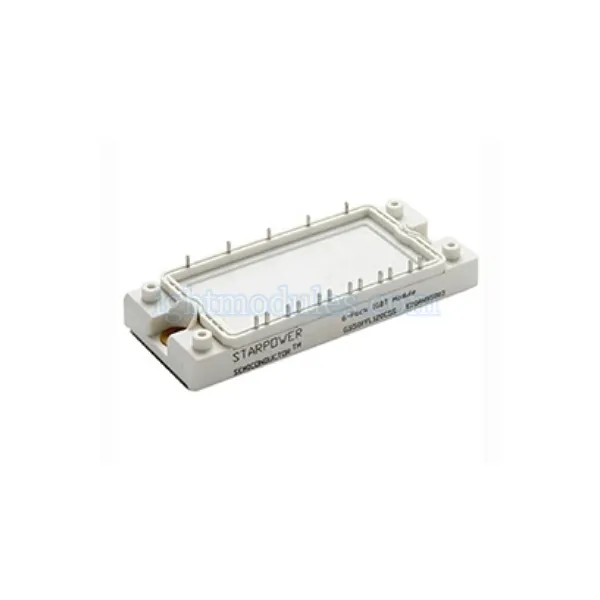
• GD100FFL120C6S format breakdown; Series code and topology indicator; Current rating (100A) and voltage class (1200V); Package style and termination type; Performance grade and revision suffix
3. Discrete Device Naming
Discrete IGBTs, MOSFETs, and diodes use their own naming conventions.
IGBT Discrete Format
Discrete IGBT part numbers often indicate voltage, current, and package.
• Series or family prefix; Voltage rating (e.g., 60 = 600V); Current rating; Package code (TO-247, TO-220, etc.); Optional diode integration indicator
MOSFET Format
MOSFET part numbers highlight Rds(on) class and voltage rating.
• Manufacturer prefix; Voltage rating; Rds(on) class or series; Package designation; Channel type (N or P)
4. Thyristor and Diode Naming
Thyristors and diodes have established coding schemes in the power electronics industry.
Thyristor (SCR) Codes
Thyristor part numbers indicate type, voltage class, and current rating.
• Type prefix (KP for common thyristor); Current rating in amperes; Voltage grade suffix; Package style (stud, disc, module); Performance grade letter
Diode Naming
Power diode part numbers follow similar logic with type-specific prefixes.
Always verify device specifications against the manufacturer data sheet. Part number conventions can vary between manufacturers and may include manufacturer-specific codes that are not universally standardized.
• Type prefix (ZP for rectifier diode); Current rating designation; Voltage class code; Recovery speed class suffix; Package mounting style
5. Package Codes
Package codes indicate the physical form factor and mounting style of the device.
• TO-220: Through-hole, 3-lead, heatsink tab; TO-247: Larger through-hole, higher power; D2PAK / DPAK: Surface-mount power packages; 62mm / 94mm: Standard IGBT module footprints; Econo: Compact industrial module package
6. Find the Right Solution for Your Application
Looking for specific power semiconductor devices or need help cross-referencing part numbers? Browse product catalogs or contact technical support teams for assistance in finding the right components for your application.
7. Frequently Asked Questions
1:Why do different manufacturers use different part numbering schemes?
Each manufacturer develops its own naming conventions based on their product portfolio evolution, internal part management systems, and historical practices. Unlike passive components such as resistors and capacitors that follow standard markings, power semiconductors lack a universal naming standard. This is why cross-referencing between manufacturers requires careful comparison of datasheet parameters rather than relying on part number similarity alone.
2:Can I use the part number alone to determine if a device meets my requirements?
No, never rely solely on part number interpretation for critical design decisions. Part number decoding provides a starting point for understanding device specifications, but actual electrical characteristics, thermal ratings, mechanical dimensions, and reliability data must be verified against the official manufacturer datasheet. Part numbers may also change across generations or production batches without obvious indication in the number itself.
3:What is the best way to find equivalent or replacement devices?
To find equivalent devices, first identify the key electrical parameters including voltage, current, switching speed, and package from the original datasheet. Then use parametric search tools on manufacturer websites or distributor platforms. Compare critical parameters side by side, paying attention to safe operating area, thermal resistance, and application notes. When in doubt, contact the manufacturer or authorized distributor for cross-reference recommendations, and always prototype and test any replacement device in your specific application circuit before volume production.