IGBT Module Selection for Electroplating Power Supply Applications
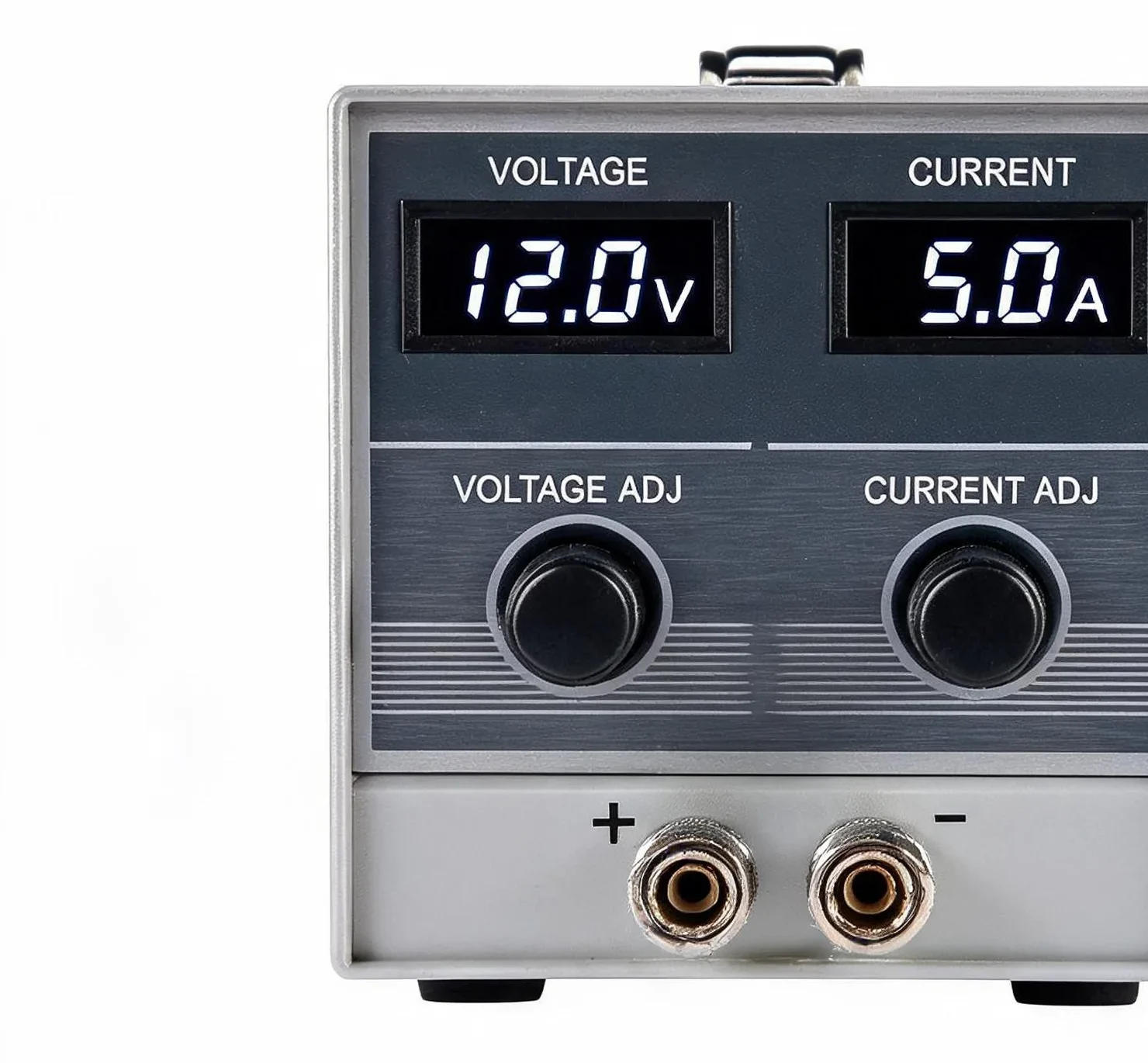
Electroplating power supplies are critical equipment in the surface treatment industry, requiring DC power output with high current and low ripple. IGBT modules serve as the core power devices in electroplating power supplies, undertaking efficient power conversion tasks. This article lists IGBT module models suitable for electroplating power supply applications, providing selection references for electroplating power supply design.
Electroplating Power Supply IGBT Module Selection Table
The following table lists IGBT module models suitable for electroplating power supply applications, covering the full range of specifications from medium to high power:
| Module Model | Rated Current (A) |
|---|---|
| GD50HFL120C1S | 50A1200V |
| GD75HFL120C1S | 75A1200V |
| GD100HFL120C1S | 100A1200V |
| GD150HFL120C8S | 150A1200V |
| GD200HFL120C8S | 200A1200V |
| GD100HFL120C2S | 100A1200V |
| GD150HFL120C2S | 150A1200V |
| GD200HFL120C2S | 200A1200V |
| GD300HFL120C2S | 300A1200V |
| GD400HFL120C2S | 400A1200V |
Electroplating Power Supply Module Selection Characteristics
Electroplating power supplies typically use soft-switching (HFL) series IGBT modules to achieve high efficiency and reliability. The GD50HFL120C1S is suitable for medium and small power electroplating power supplies, the GD100 to GD200 series covers medium power applications, and the GD300 and GD400 series meet the requirements of high-current electroplating processes. All modules feature 1200V voltage rating, suitable for 380V three-phase input electroplating power supply systems.
Electroplating Power Supply Topology
Modern electroplating power supplies typically employ full-bridge phase-shifted ZVS soft-switching topology, combined with high-frequency transformers for electrical isolation and voltage conversion. IGBT modules operate under zero-voltage switching conditions, significantly reducing switching losses and improving power supply efficiency. The C1S package is suitable for single-device applications, the C2S package is suitable for dual-device parallel or higher current requirements, and the C8S package is designed for special high-current applications.
Electroplating Process Requirements for Modules
Electroplating processes require extremely high output stability from the power supply, with ripple factors typically required to be below 1%. This imposes strict requirements on the dynamic characteristics and consistency of IGBT modules. Selection should focus on the consistency of saturation voltage VCE(sat), the dispersion of switching time parameters, and thermal resistance parameters. High-power electroplating power supplies also need to hongbangsemi consider current sharing design for multi-module parallel operation.
Electroplating Power Supply Module Thermal Design
Electroplating power supplies typically operate continuously for extended periods in workshop environments, making thermal design critically important. For modules up to GD100, forced air cooling can be used; for modules GD150 and above, water cooling solutions are recommended. The selection of heatsink thermal resistance should be based on precise calculations of the module’s maximum power dissipation and ambient temperature, ensuring that the junction temperature does not exceed the safe limit of 150 degrees Celsius.