
1. Iect Devices Technology Overview
Core characteristics and operating principles of IECT devices; Key performance parameters and ratings; Common package and configuration options; Technology generation and feature variations
2. Application Areas and Use Cases
Iect Devices find use in a diverse range of power electronic applications across multiple industries. Understanding these application contexts helps in selecting the right device characteristics for specific design requirements.
• Industrial motor drives and motion control systems; Power supply and UPS infrastructure; Renewable energy and grid-connected systems; Welding and industrial heating equipment; Traction and transportation applications
3. Design and Selection Considerations
Proper device selection requires careful consideration of electrical, thermal, and mechanical parameters. Matching device characteristics to application requirements is key to achieving reliable and cost-effective performance.
• Voltage and current rating selection with appropriate derating; Switching speed versus loss trade-off analysis; Thermal management and heat sink design; Gate drive and protection circuit requirements; Package and mounting considerations
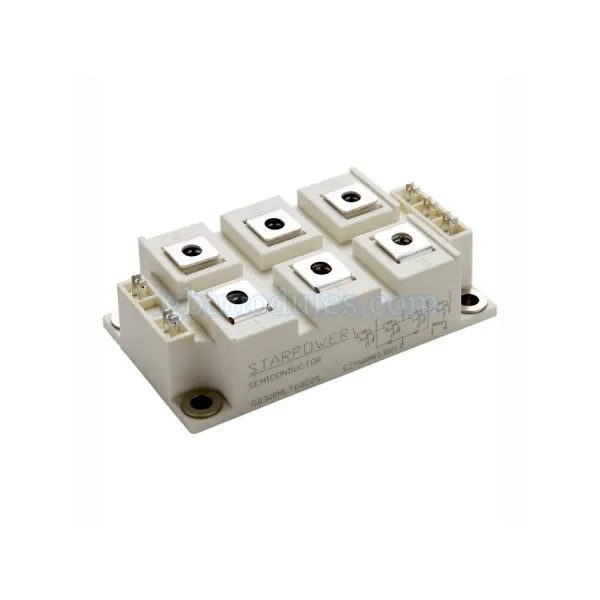
4. Product Naming and Part Number Structure
Understanding the part number structure helps in identifying device specifications quickly and accurately. While naming conventions vary by manufacturer, certain patterns are common across the industry.
• Voltage class indicators in part numbers; Current rating designation methods; Package type and form factor codes; Series and generation identifiers; Optional feature and variant suffixes
5. Find the Right Solution for Your Application
Exploring high-power thyristor-based switching solutions? Review IECT Integrated Emitter Commutated Thyristor device options for industrial high-power control applications requiring reliable performance.
6. Frequently Asked Questions
1:What is an IECT and how does it work?
IECT, which stands for Integrated Emitter Commutated Thyristor, is a type of gate-controlled thyristor that uses emitter commutation for turn-off, integrating the commutation mechanism with the main device structure. Compared to conventional GTOs, IECTs offer improved turn-off characteristics and reduced snubber requirements. The specific architecture and performance characteristics can vary by manufacturer, so always consult the official datasheet for detailed specifications and application guidelines.
2:What applications benefit from IECT technology?
IECT devices are suited for high-power industrial applications including high-voltage DC transmission converter stations, static VAR compensators and FACTS devices, high-power rectification systems, industrial furnace power supplies, and other high-voltage, high-current switching applications where the combination of low conduction loss and gate-controlled turn-off provides value. Selection should be based on specific application requirements and manufacturer recommendations.
3:What considerations are important for IECT gate drive design?
IECT gate drive design requires careful attention to turn-on gate current amplitude and rise time for reliable latching, turn-off gate drive characteristics for controlled commutation, gate power supply design to handle the energy required for commutation, isolation voltage ratings matching the application, and fault detection and protection coordination. Always follow the manufacturer gate drive specifications and reference designs to ensure reliable operation of your system.