
1. IGBT Module Technology Overview
Voltage range from 600V up to 6500V; Current ratings from 10A to over 1000A; Multiple package configurations available; Trench gate and field stop technology; Optimized for both hard and soft switching
2. Module Package Types
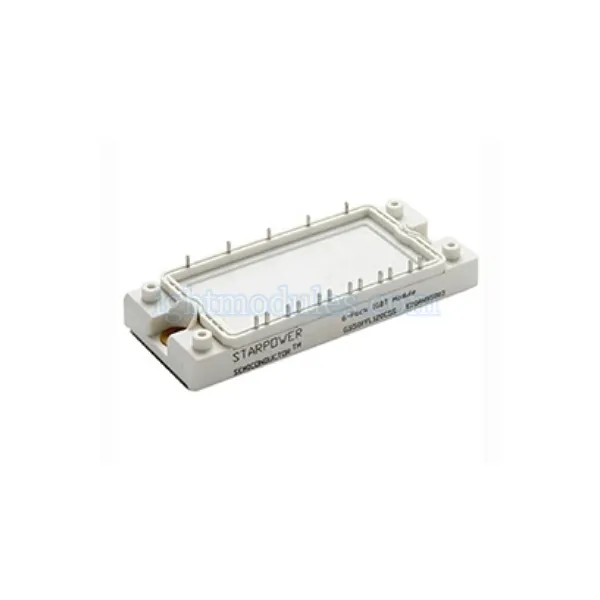
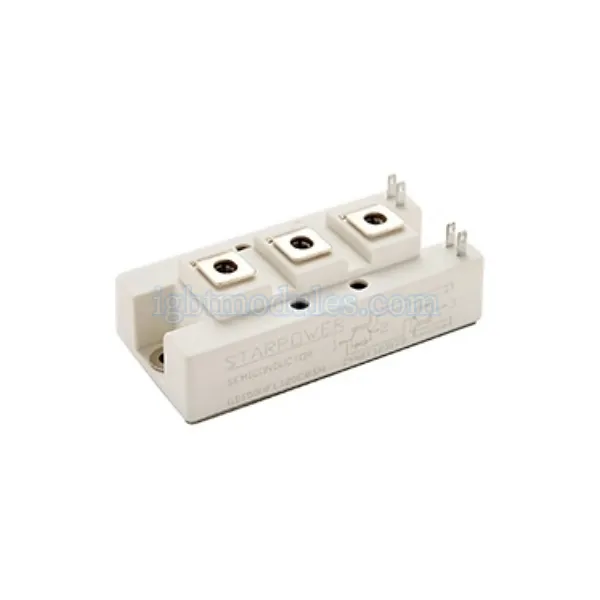
StarPower offers IGBT modules in various package styles to accommodate different power levels and assembly requirements.
Comparison Table
| Package Type | Voltage Range | Current Range | Typical Application |
|---|---|---|---|
| Econo Module | 600V – 1200V | 10A – 200A | Industrial Drives |
| 62mm Module | 1200V – 1700V | 50A – 600A | Welding & UPS |
| 94mm Module | 1200V – 3300V | 100A – 1000A | Traction & Inverters |
| Press-Pack | 3300V – 6500V | 300A – 2000A | HVDC & MV Drives |
Standard Module Packages
Industry-standard footprints ensure drop-in compatibility with existing designs and simplify PCB layout work.
• EconoPIM and EconoDUAL form factors; 62mm and 94mm standard housings; Press-fit and solder pin terminals; Integrated temperature sensors
High-Power Modules
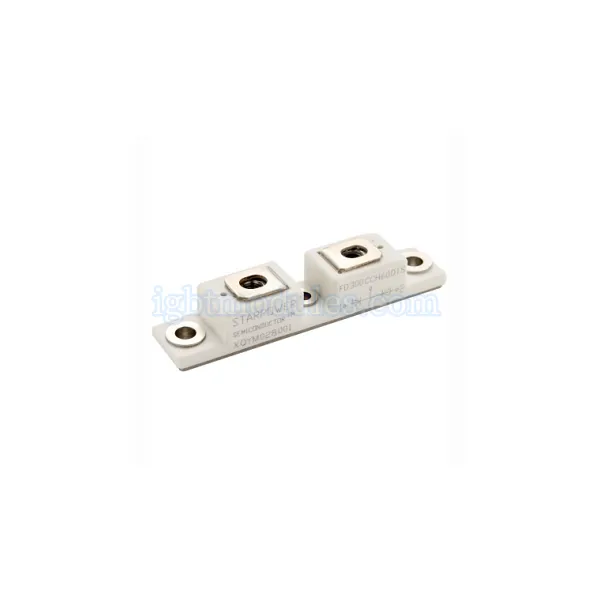
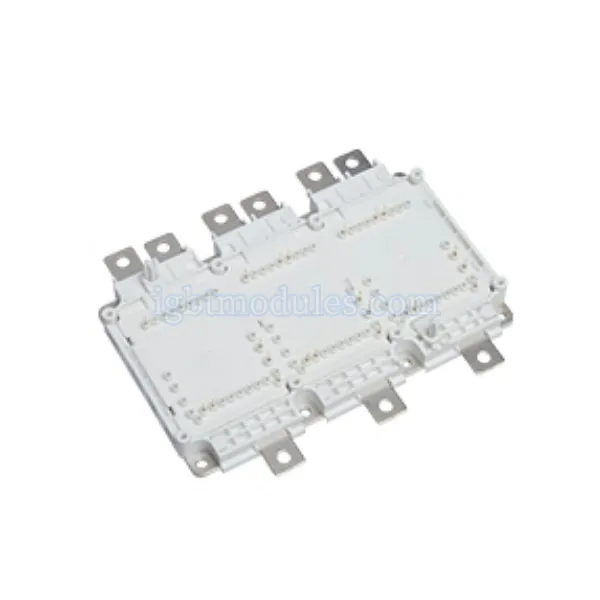
For heavy industrial applications requiring elevated current handling, larger format modules provide enhanced thermal performance.
• High-current single-switch configurations; Dual and six-pack topologies; Enhanced baseplate cooling; Robust terminal design
3. Key Application Areas
StarPower IGBT modules serve as core power switching components across multiple industrial sectors.
Industrial Motor Drives
Variable frequency drives and servo systems rely on IGBT modules for efficient three-phase motor control.
• Frequency converters for AC motors; Servo drive systems; Robotics and automation; Conveyor and material handling
Renewable Energy
Solar inverters and wind power converters use IGBT modules for DC-AC power conversion.
• Photovoltaic string and central inverters; Wind turbine power converters; Energy storage systems; Grid-tie inverter topologies
Welding and Power Supplies
Arc welding equipment and industrial power supplies benefit from the fast switching and rugged construction.
• IGBT-based welding inverters; Plasma cutting power supplies; Industrial UPS systems; Battery chargers
4. Performance Characteristics
Understanding the key electrical parameters helps in selecting the right IGBT module for each application.
• Collector-emitter saturation voltage Vce(sat) as low as 1.6V; Low switching losses with tail current optimization; Short-circuit withstand capability; High junction temperature rating (up to 175°C); Positive temperature coefficient for easy paralleling
5. Find the Right Solution for Your Application
Looking for IGBT modules for your high-power converter design? Explore IGBT module options with various voltage ratings, current capacities, and package topologies to find the right solution for your industrial application requirements.
6. Frequently Asked Questions
1:How do I choose the right IGBT module topology?
Choose your IGBT module topology based on your application requirements. Half-bridge modules offer design flexibility for multi-level converters and parallel configurations. Six-pack (three-phase) modules are the standard choice for motor drives and UPS systems where a complete three-phase inverter in a single package simplifies assembly. Single-switch and dual-switch modules are used when you need to build custom topologies or replace individual devices in an existing system.
2:What voltage rating should my IGBT module have?
Select a voltage rating that provides 1.5 to 2 times the maximum DC bus voltage, accounting for switching transients and safety margins. For example, a 1200V module is typically used with a 600-800V DC bus, while a 1700V module suits 900-1100V bus voltages. Higher voltage ratings reduce electrical stress but increase cost and conduction losses. Always verify against your specific transient analysis and application requirements.
3:How important is thermal cycling for IGBT module reliability?
Thermal cycling capability is critical for applications with frequent load changes or startup/shutdown cycles, such as wind turbines, elevators, and traction systems. Modules with higher power cycling ratings provide longer service life under variable load conditions. For applications with relatively constant load, steady-state thermal resistance becomes the primary consideration. Always follow manufacturer datasheet specifications for both power cycling and temperature cycling limits.