1. Power Quality Challenges in Modern Grids
As industrial and commercial power systems become more complex and sensitive, power quality issues gain increasing attention.
• Non-linear loads, reactive power demand, and harmonic distortion create challenges for both grid operators and electricity consumers.
• Static Var Generators (SVG) and Active Power Filters (APF) represent advanced solutions for addressing these power quality problems through active power electronics compensation.
2. Static Var Generator (SVG) Technology
SVG systems provide dynamic reactive power compensation using voltage source converter technology.
• By dynamically adjusting the output reactive power in real time, SVG installations maintain stable voltage levels, improve power factor, and reduce line losses.
• Compared to traditional static var compensators using thyristor-controlled reactors and capacitor banks, SVG offers faster response, wider operating range, and better harmonic performance.

3. Active Power Filter (APF) Applications
Active power filters address harmonic current distortion in electrical systems by injecting compensating currents that cancel out harmonic components produced by non-linear loads.
• APF systems can target specific harmonic orders or provide broadband harmonic compensation, improving power quality and ensuring compliance with harmonic standards such as IEEE 519 and IEC 61000.
• This technology is particularly important for facilities with significant variable speed drive, rectifier, or inverter loads.
4. IGBT Module Requirements
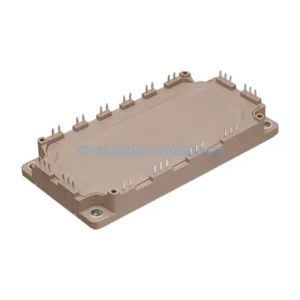
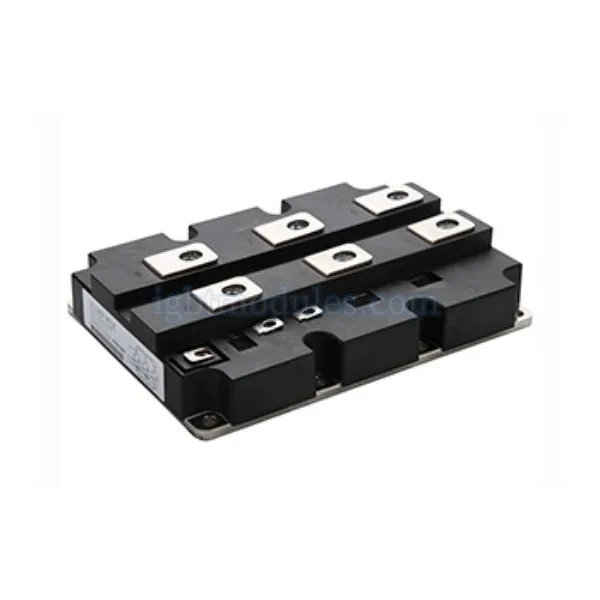
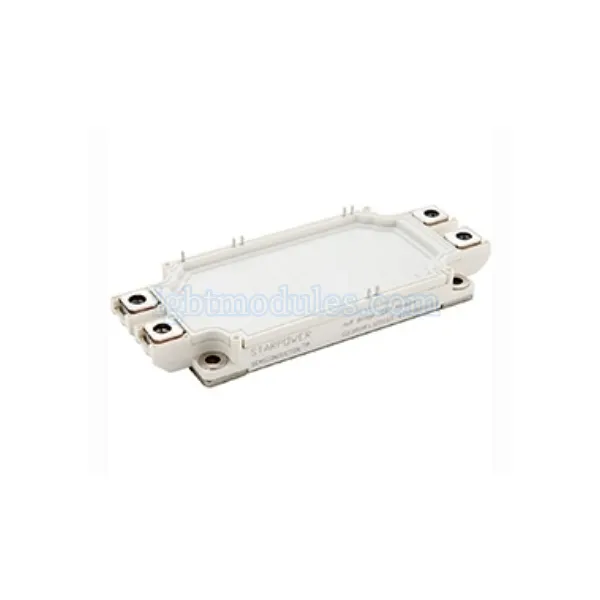
Both SVG and APF applications place demanding requirements on IGBT modules.
• High switching frequency capability is essential for accurate current control and effective harmonic compensation.
• Low switching losses contribute to system efficiency and thermal management.
• Fast response characteristics enable the dynamic performance needed for effective power quality compensation.
• Module voltage ratings are typically 1200V for low-voltage systems and higher for medium-voltage applications.
5. System Design Considerations
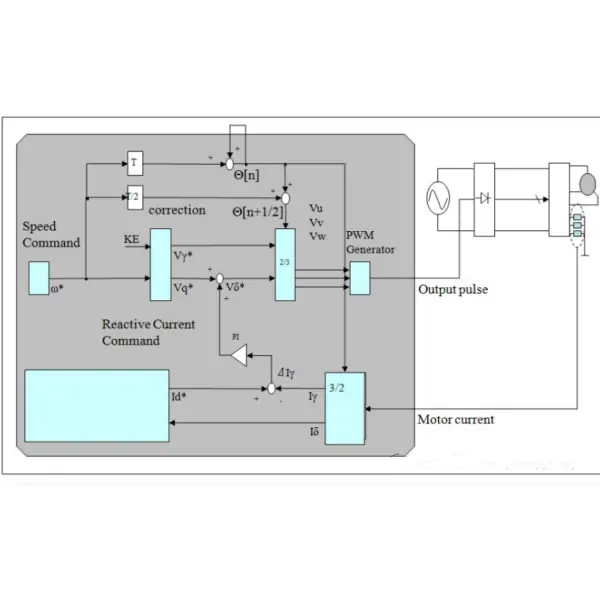
Designing SVG and APF systems requires careful attention to power topology, control algorithms, and thermal management.
• Three-phase bridge configurations with LCL filters are common in low-voltage installations.
• Modular design approaches allow scalability and redundancy.
• The choice of IGBT modules directly impacts system efficiency, reliability, and cost.
• Proper gate drive design, protection circuitry, and thermal management are essential for long-term reliable operation.
6. Recommended IGBT Module Models
STARPOWER Product model selection guide for this application
| Model | Voltage | Current | Package | Topology |
|---|---|---|---|---|
| GD100HCX170C6SA | 1700V | 100A | C6.1 | Single Phase H-Bridge |
| GD150HCX170C6SA | 1700V | 150A | C6.1 | Single Phase H-Bridge |
| GD1000HFX170P2S | 1700V | 1000A | P2 | Half Bridge |
| GD300HFX170C2SA | 1700V | 300A | C2 | Half Bridge |
| GD400HFX170C2S | 1700V | 400A | C2 | Half Bridge |
| GD300MLX65C2S | 650V | 300A | C2 | 3-level I-NPC |
Showing 6 representative models out of 11 total available modules.