1. Wind Energy Market Growth
Wind power generation continues to expand globally as a major source of renewable energy.
• Both onshore and offshore wind installations are growing, with offshore wind experiencing particularly rapid development due to higher capacity factors and larger turbine sizes.
• The power electronics used in wind turbines, particularly the converters that interface between the generator and the grid, represent critical enabling technology for this growth.
2. Wind Turbine Converter Configurations
Modern wind turbines employ various power converter configurations depending on the turbine design and generator type.
• Doubly-fed induction generator systems use partial-scale converters connected to the rotor circuit.
• Full-converter designs, used with both permanent magnet and induction generators, connect the full generator output through power electronics.
• Each approach has different requirements for IGBT modules in terms of voltage rating, current rating, and configuration.
3. IGBT Module Role in Wind Converters
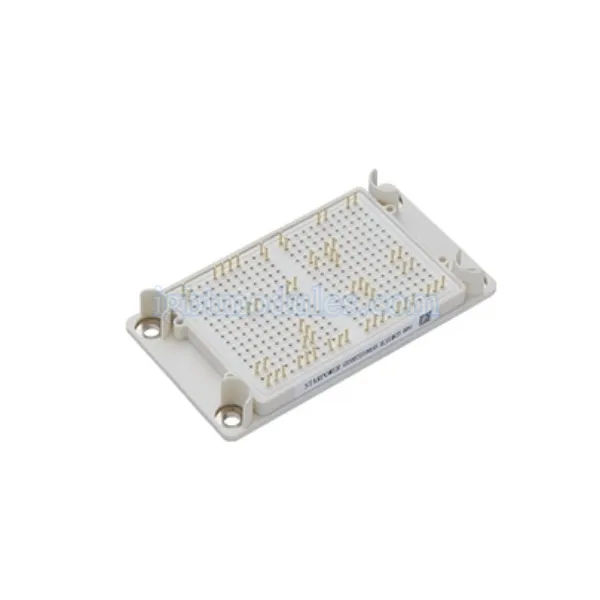
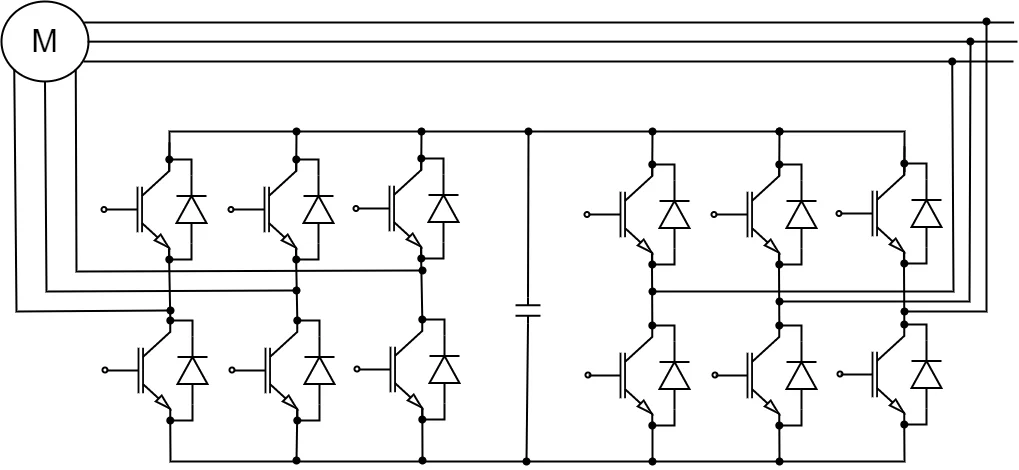
IGBT modules are core components in wind turbine power converters, handling the bidirectional power conversion between the generator and the grid.
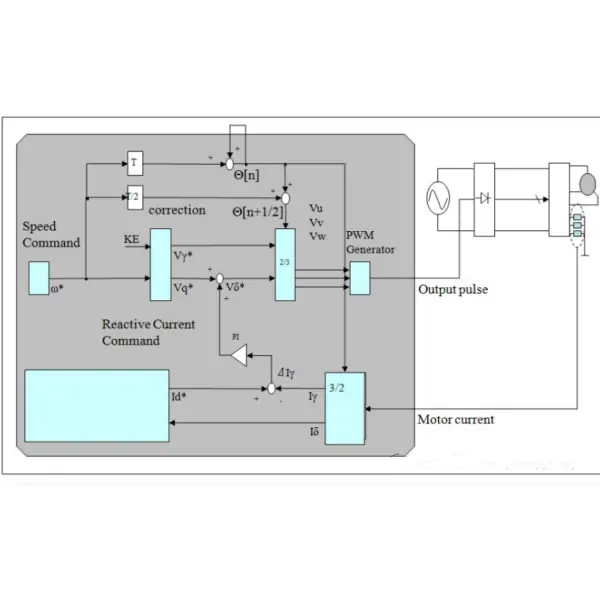
• The machine-side converter controls generator torque and speed for maximum power point tracking, while the grid-side converter manages DC bus voltage and ensures grid-compliant power injection.
• Both converter stages require reliable, high-performance IGBT modules to meet the demanding reliability requirements of wind power applications.
4. Reliability and Environmental Considerations
Wind power applications impose challenging operating conditions on power semiconductor modules.
• Wide temperature variations, high humidity, salt spray exposure (particularly for offshore installations), and continuous cycling operation all stress module components.
• Long service life expectations, typically 20 years or more, combined with limited accessibility for maintenance, make reliability a primary selection criterion for IGBT modules in wind turbine applications.
5. Technology Trends in Wind Power Converters
Wind turbine power ratings continue to increase, with offshore turbines now reaching 15MW and beyond.
• This trend drives demand for higher current and higher voltage IGBT modules, as well as advanced packaging technologies that can handle the increased power levels.
• Wide bandgap devices, particularly silicon carbide, are beginning to find application in wind converters, offering potential efficiency improvements and higher power density.
6. Recommended IGBT Module Models
STARPOWER Product model selection guide for this application
| Model | Voltage | Current | Package | Topology |
|---|---|---|---|---|
| GD1200HFX170C3S | 1700V | 1200A | C3 | Half Bridge |
| GD300HFX170C2SA | 1700V | 300A | C2 | Half Bridge |
| GD600HFX170C6S | 1700V | 600A | C6.1 | Half Bridge |
| GD450HFX170C6SA | 1700V | 450A | C6.1 | Half Bridge |
| GD450HFX170C6S | 1700V | 450A | C6.1 | Half Bridge |
| GD300HFX170C6SA | 1700V | 300A | C6.1 | Half Bridge |
| GD1000HFX170P2S | 1700V | 1000A | P2 | Half Bridge |
Showing 7 representative models out of 7 total available modules